Services
Discover the transformative power of dental implants in Oswego for a confident, complete smile. Our expert team is ready to guide you every step of the way.
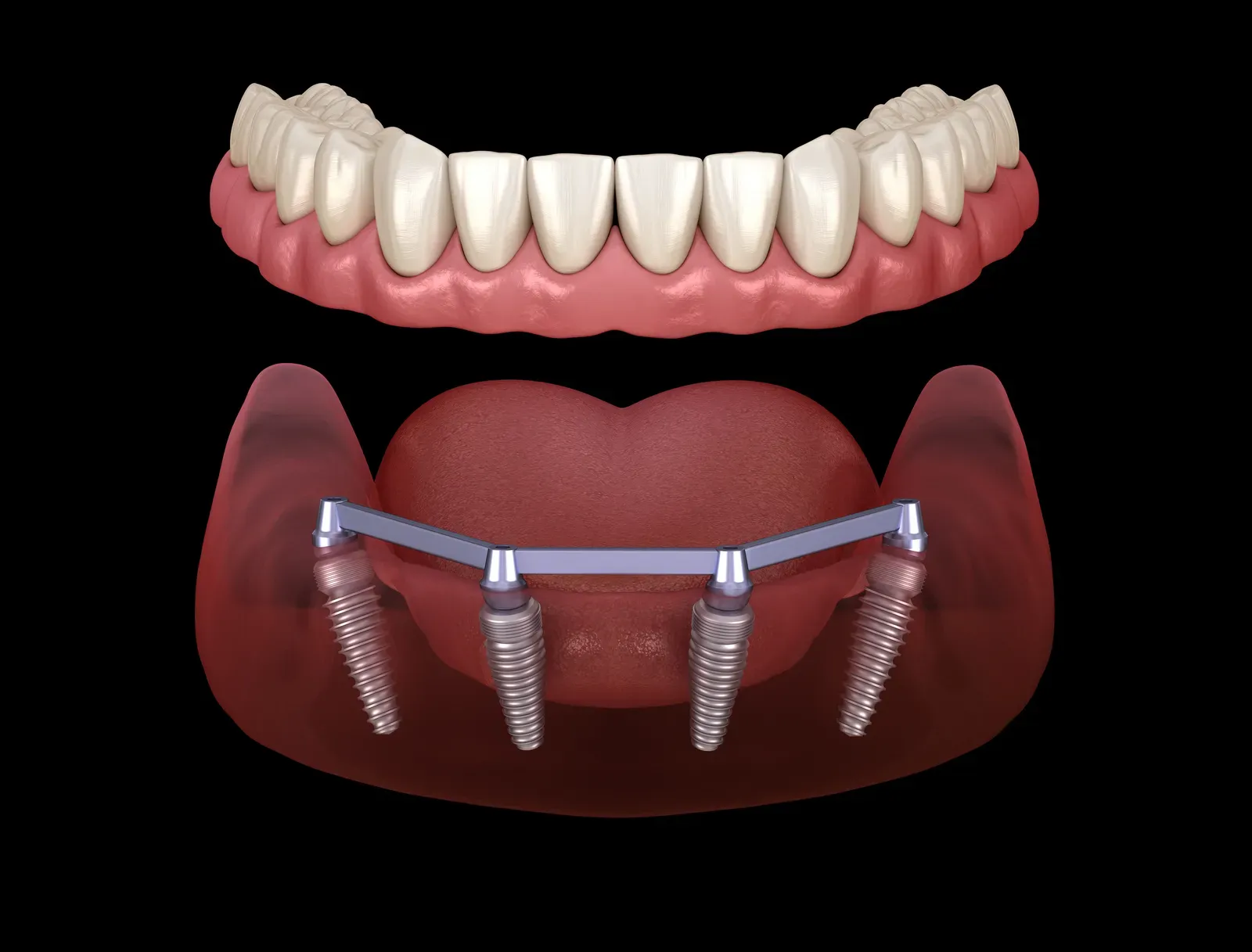
Dental implants revolutionize oral health by providing a durable and natural-looking solution for missing teeth. Whether you've lost a tooth due to injury, decay, or disease, implants offer a permanent and secure replacement that enhances both function and aesthetics.
Missing teeth can significantly impact your ability to chew, speak, and smile with confidence. With dental implants, you can enjoy a restored bite, improved speech, and a boost in self-esteem. At Downtown Dental and Implants of Oswego, our team is committed to delivering personalized implant solutions tailored to your unique dental needs.
Our approach begins with a comprehensive evaluation to determine the most suitable implant options for you. We focus on long-term success by utilizing advanced technology and expert techniques to ensure the best outcomes for our patients.
Recognizing the signs early can prevent further dental complications. Consider dental implants if you experience any of the following symptoms:
Early diagnosis and treatment are crucial to maintaining oral health and preventing further complications. Schedule a consultation to explore your options.
Several factors contribute to tooth loss, each influencing the decision to seek dental implants as a solution. Understanding these causes can aid in prevention and guide treatment decisions.
Periodontal disease is a leading cause of tooth loss. It damages gums and bones, leading to tooth instability and eventual loss if untreated.
Lack of essential nutrients can weaken teeth and gums, increasing susceptibility to decay and other dental issues.
Tobacco use affects oral health significantly, leading to gum disease and reduced healing capacity, which can cause tooth loss.
Injuries from accidents or sports can lead to tooth loss, making implants a necessary consideration for restoration.
As we age, our teeth naturally weaken. Loss of teeth can occur, requiring solutions like implants to maintain oral function.
Certain conditions, such as diabetes, can increase the risk of tooth loss, necessitating proactive dental care.
Our step-by-step process ensures that each dental implant procedure is customized to meet your specific needs, ensuring comfort and successful outcomes.
We begin with a detailed consultation to understand your dental history and assess your needs, setting the foundation for a successful treatment plan.
Using advanced imaging and diagnostic tools, we evaluate the condition of your jawbone and surrounding structures to plan for successful implant placement.
We create a personalized treatment plan that considers your specific needs and goals, ensuring optimal results and a comfortable experience.
The implant procedure is performed with precision and care, using local anesthesia to ensure your comfort during the placement process.
After the implant is placed, we provide continuous support and follow-up care to ensure proper healing and integration with your jawbone.
Dental implants offer numerous benefits that extend beyond aesthetics, providing functional and health advantages that improve your quality of life.
Implants restore full chewing power, allowing you to enjoy a diverse diet without the restrictions often associated with missing teeth or dentures.
Unlike dentures, dental implants are stable and secure, preventing slippage and helping you speak clearly and confidently.
With their natural look and feel, implants enhance your smile, giving you the confidence to engage socially and professionally.
Implants are built to last, often providing a lifetime solution with proper care, unlike other tooth replacement options that may require frequent adjustments or replacements.
Dental implants help prevent bone loss by stimulating the jawbone, maintaining its strength and structure over time.
Missing teeth can have a profound impact on everyday life, affecting everything from eating and speaking to maintaining facial structure. Dental implants address these issues by restoring functionality and providing a stable foundation for replacement teeth.
The loss of teeth can lead to a cascade of health and aesthetic issues, including jawbone deterioration, misalignment of remaining teeth, and even changes in facial appearance. Implants act as artificial roots, providing the necessary support to prevent these complications.
By opting for dental implants, patients not only improve their oral health but also enhance their overall quality of life. Implants offer a permanent solution that looks, feels, and functions like natural teeth, making them a preferred choice for those seeking long-term oral health solutions.
To complement your dental implant treatment, adopting supportive home care habits can enhance the longevity and health of your implants.
Brush twice daily using a soft-bristled toothbrush to maintain oral hygiene and prevent plaque buildup around implants.
Floss daily to remove food particles and plaque between teeth and implants, reducing the risk of gum disease.
Incorporate an antimicrobial mouthwash into your routine to reduce bacteria and support gum health around implants.
Schedule regular check-ups and cleanings with your dentist to monitor the condition of your implants and oral health.
Steer clear of hard foods that can damage implants and natural teeth, ensuring long-term preservation of your dental work.
Smoking can hinder healing and affect implant success rates. Quitting supports overall oral health and implant longevity.
These habits are essential in maintaining your implants and ensuring they remain a healthy, integral part of your oral hygiene routine. However, they are not a substitute for professional dental care and evaluations.
"Our commitment is to provide you with dental implants that not only improve your smile but enhance your quality of life."
Get answers to common questions about dental implants to help you understand the process and benefits.
Downtown Dental and Implants of Oswego
From routine checkups to full implant care, our Oswego team is ready to welcome you. Schedule your visit today and experience dentistry done right.